In this article
The short answer
Rough carpentry builds the structural frame of a house — studs, joists, rafters and sheathing — while finish carpentry installs everything visible after the walls close up, including trim, molding, cabinetry, built-ins and stairs.
- Rough carpentry is structural: framing, joists, rafters, sheathing, subfloors and blocking.
- Finish carpentry is everything visible after drywall: crown molding, baseboards, casing, wainscoting, built-ins, cabinetry, stairs and railings.
- Rough carpentry works to roughly a quarter of an inch; finish carpentry works to a sixteenth or better, because every joint is on show.
- Rough carpentry happens first and finish carpentry happens last — the two are rarely the same crew on the same day.
- Most homeowner projects — trim, built-ins, paneling, stairs — are finish carpentry, which is why portfolio quality matters more than raw framing experience.
01 / 04Where the line falls
Both trades are carpentry, and plenty of carpenters can do both. But they are judged by completely different standards, and that is the distinction worth understanding before you hire.
Rough carpentry builds the parts of a house that hold it up and are then covered forever: wall framing, floor joists, roof rafters and trusses, sheathing, subfloors, headers and blocking. The measure of success is that it is square, plumb, strong and code-compliant. Nobody will ever look at it again.
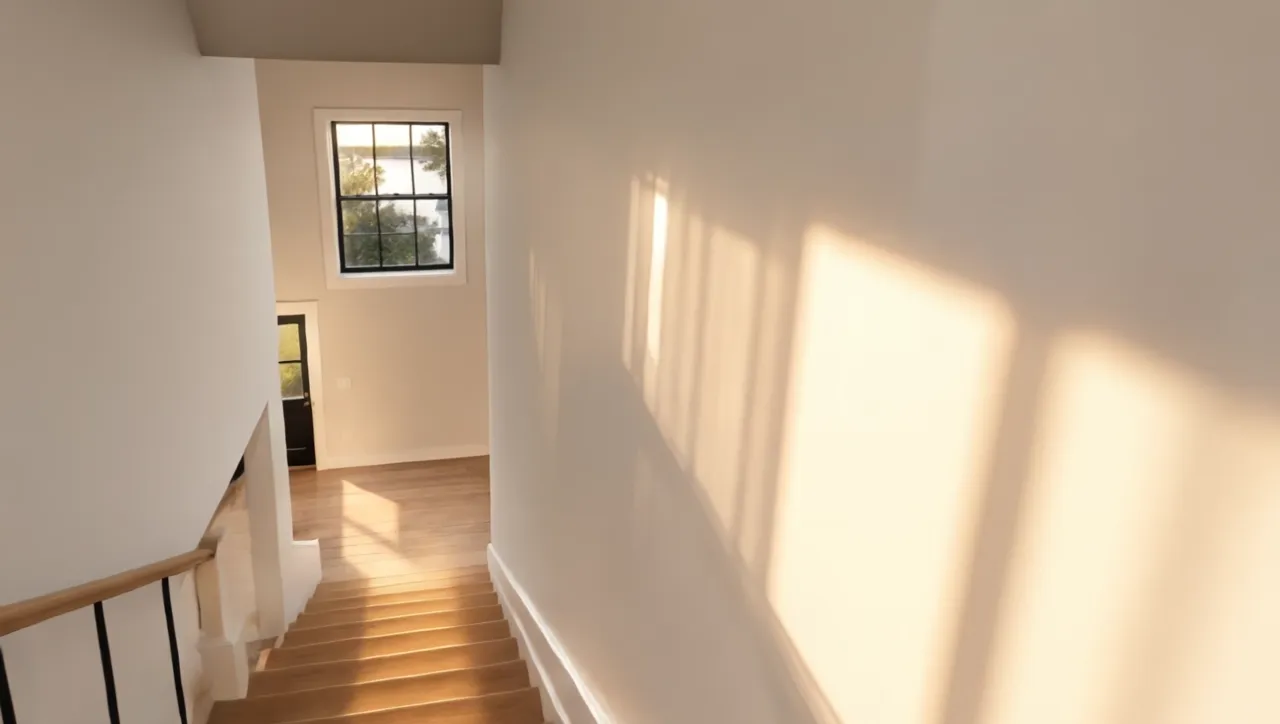
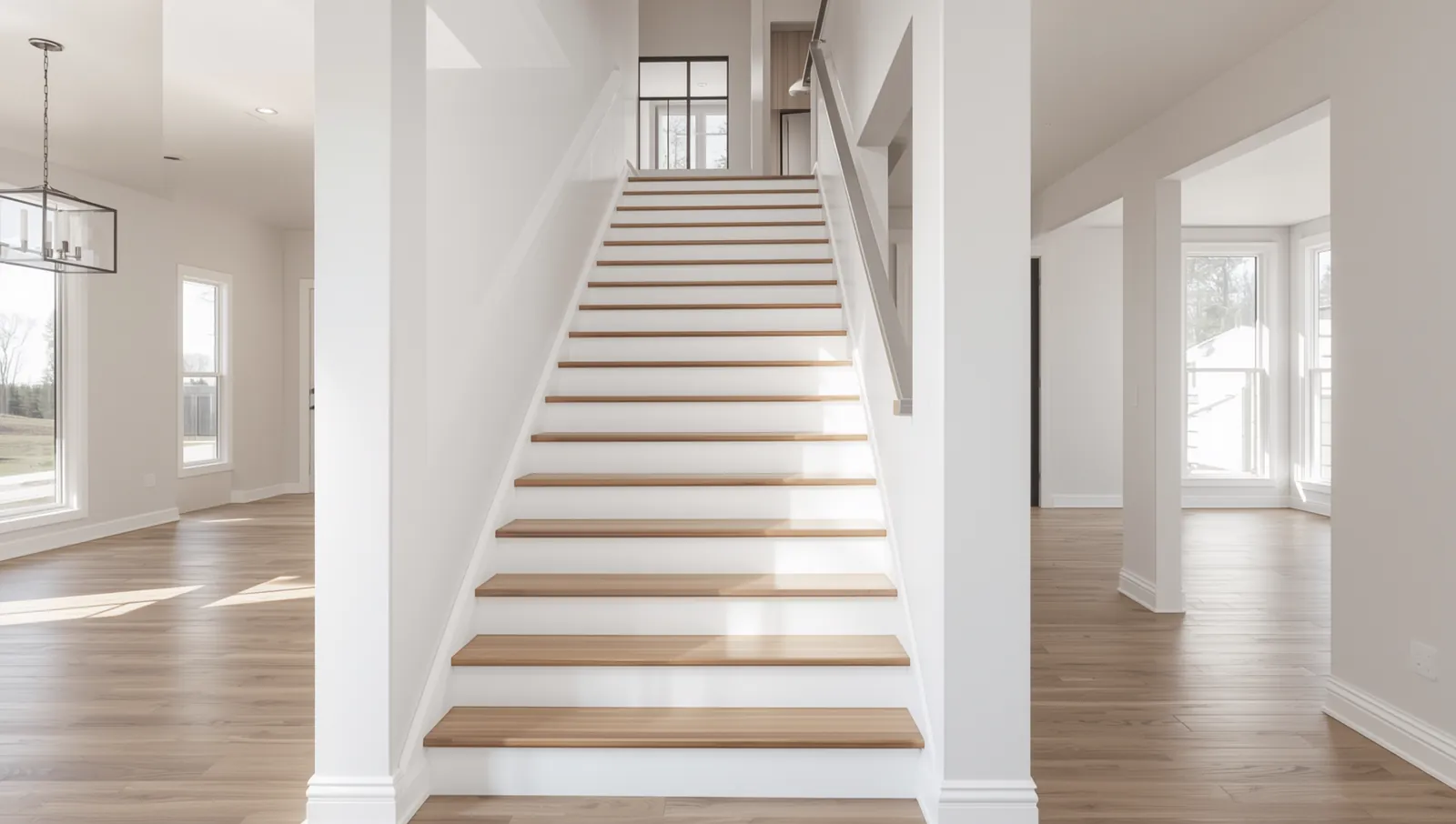
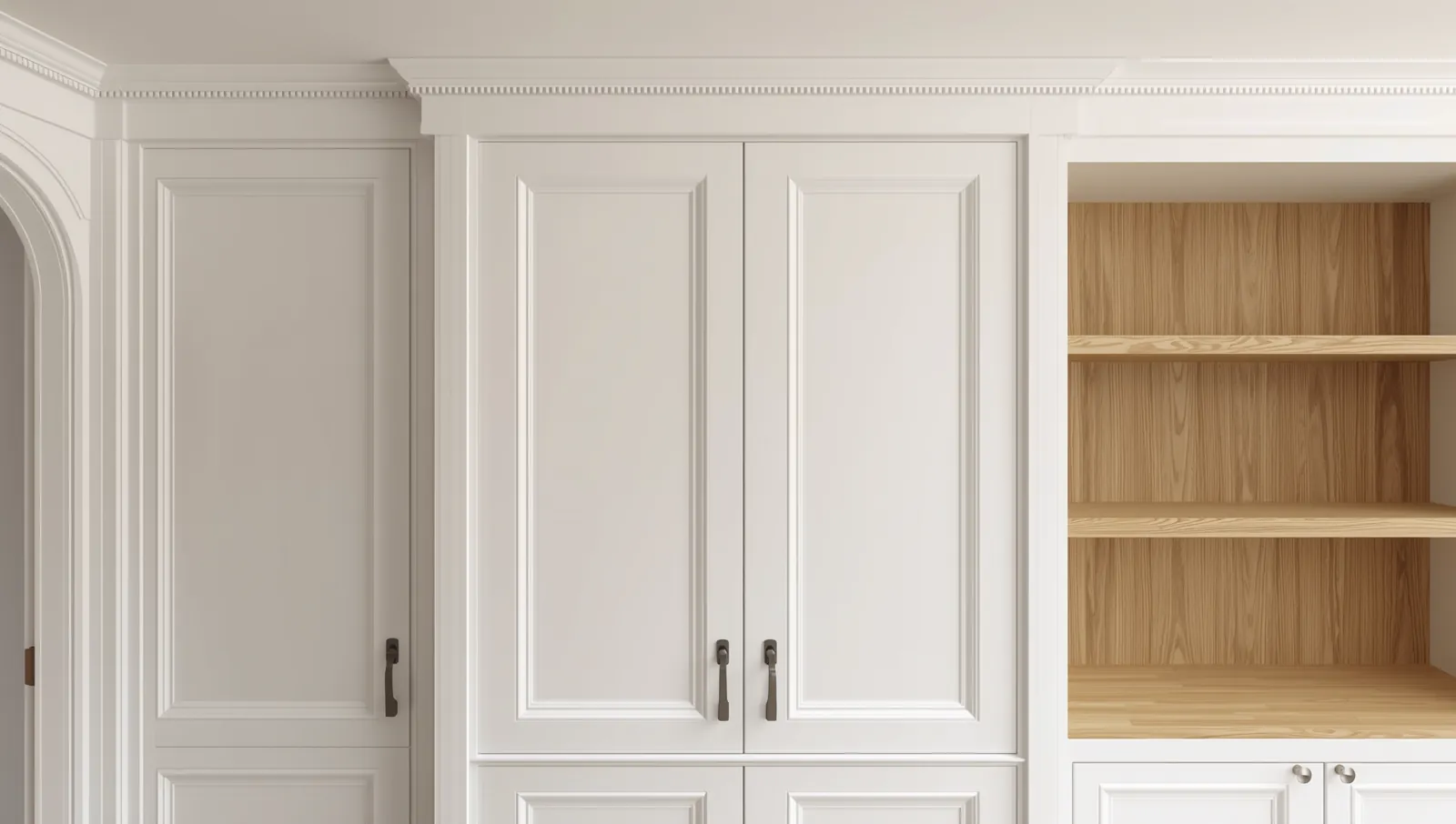
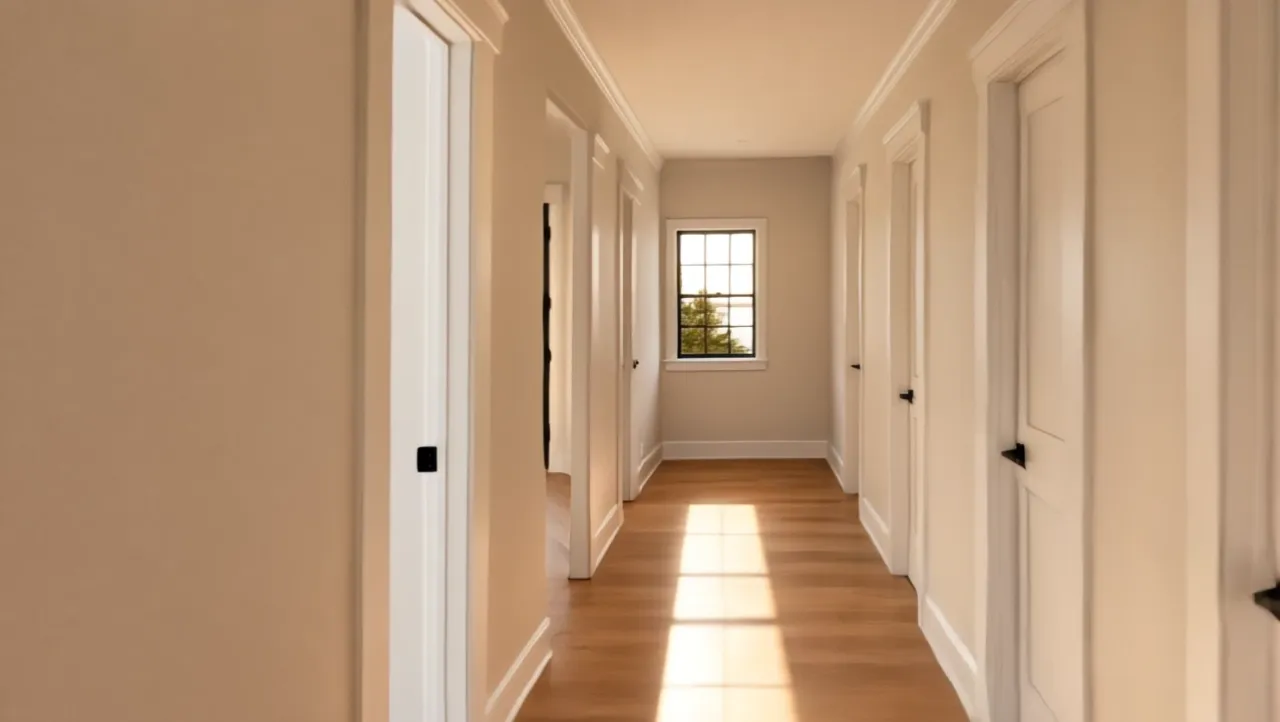
Finish carpentry builds the parts nobody stops looking at: crown molding, baseboards, door and window casing, wainscoting and wall paneling, built-ins and cabinetry, mantels, stair treads, risers, handrails and balusters. The measure of success is that the joints are invisible, the lines are continuous and the proportions look deliberate.
Rough carpentry is measured against a code book. Finish carpentry is measured against your eye, from six feet away, in daylight.
02 / 04Tolerances, tools and why the difference shows
The gap between the two trades is easiest to understand as a tolerance. Framing that is within a quarter of an inch is good framing — drywall, shims and finish work will absorb it. Trim that is a quarter of an inch out is a visible gap that no amount of caulk hides in raking light.
| Rough carpentry | Finish carpentry | |
|---|---|---|
| Working tolerance | About 1/4 inch | 1/16 inch or better |
| Materials | Dimensional lumber, engineered joists, plywood, OSB | Poplar, MDF, hardwoods, veneered panel, PVC, pre-primed profiles |
| Typical fasteners | Framing nails, structural screws, joist hangers | Pin and brad nails, pocket screws, glue, concealed fixings |
| Judged on | Strength, square, plumb, code | Joint lines, reveals, scribes, proportion, finish |
| When it happens | Early — before mechanicals and drywall | Last — after drywall, usually after primer |
| Visible afterwards | No | Entirely |
The skills that do not transfer
Scribing a cornice to a ceiling that dips half an inch across a room. Coping an inside corner instead of mitring it so it stays tight when the house moves through a Jersey Shore summer. Laying out panel spacing so the pattern resolves at both corners instead of leaving a sliver by the door. Keeping a reveal identical around every casing in a hallway. None of these come up in framing, and all of them decide whether finished work looks bought or built.
03 / 04How the two fit together on a real job
On new construction or a full renovation the order is fixed, and it explains why the two trades rarely overlap.
- Rough carpentry frames the structure and sheathes it.
- Mechanical trades run plumbing, electrical and HVAC through that frame.
- Insulation and drywall close the walls.
- Painters prime.
- Finish carpentry installs trim, paneling, cabinetry and stairs.
- Final paint, caulk and touch-up complete the work.